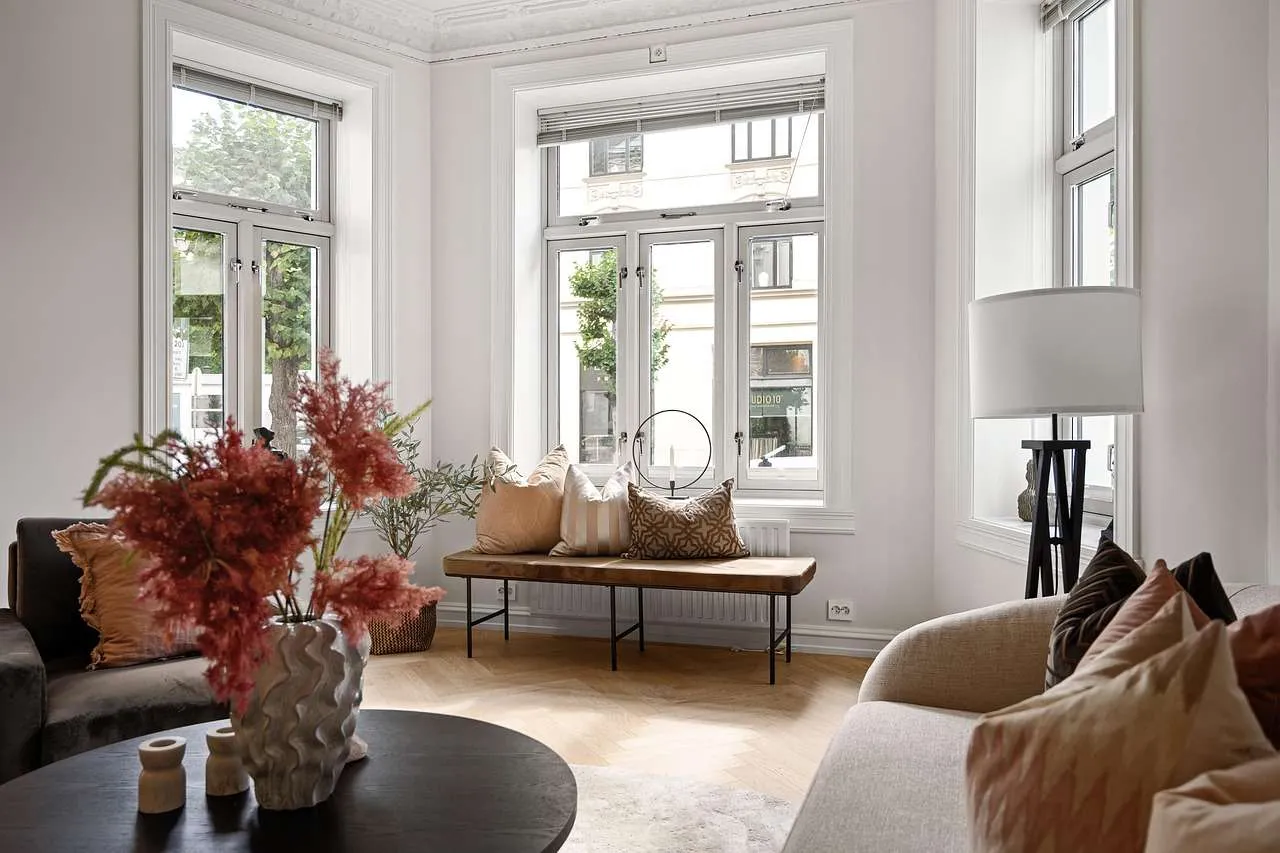
Home window tinting can reduce energy costs, protect interiors, and improve comfort. Written by an SEO and home improvement expert, this guide reflects industry best practices and aims to address user intent with accurate, trustworthy information in line with EEAT principles.
What is Home Window Tinting?
Home window tinting uses thin films applied to interior or exterior glass to control visible light, heat, and UV transmission. Modern films are designed to minimize glare while preserving view and daylight.
Benefits of Home Window Tinting
- Energy efficiency: reduce cooling load by reflecting or absorbing infrared heat
- UV protection: blocks up to 99% of UV rays, protecting furnishings and skin
- Glare reduction and comfort: improved visibility and reduced eye strain
- Privacy and security: tinted films add privacy at street level and can hold shards in break-ins
- Longevity of interiors: less fading for furniture, carpets
Types of Tint Films
Common residential films include dyed, metalized, ceramic, and carbon based options. Each type has tradeoffs in clarity, heat rejection, and price.
| Film Type | Typical VLT | UV Rejection | Heat Rejection | Best For | Notes |
|---|---|---|---|---|---|
| Dyed | 20–60% | Good | Moderate | Affordability | Can fade and color shift over time |
| Metalized | 15–60% | Excellent | Excellent | Privacy and glare control | May interfere with electronics |
| Ceramic | 30–70% | Excellent | Excellent | All-around performance | Higher cost |
| Carbon | 25–50% | Excellent | Good | Clear view with color stability | Non reflective |
How to Choose the Right Tint
Consider climate, sun exposure, room use, privacy needs, and budget. If rooms face the sun in the afternoon, a film with higher heat rejection helps; for homes near busy streets, higher VLT for privacy; ceramic or carbon films offer balance and durability. Check local regulations and warranty terms before decision.
Professional vs Do It Yourself
Professional installation ensures bubble-free results, even coverage, and warranty protection. DIY kits exist but require careful surface cleaning, temperature control, and precise cutting to avoid damage.
Costs and ROI
Residential tint costs vary by film type, window size, and labor. Expect roughly 5 to 12 dollars per square foot installed for mid range films, with higher-end products costing more. ROI comes from energy savings, reduced fading, and added comfort that can increase home value.
Maintenance and Longevity
Clean with non ammonia cleaners and soft cloths. Avoid abrasive scrubs that may scratch films. Most residential films last 10–15 years depending on climate and cleaning habits; warranties may vary by installer and product.
Legal and Safety Considerations
Window tinting laws typically regulate vehicle tint rather than home films, but some commercial and building codes may apply to reflective coatings or safety glass modifications. Always use approved films from reputable manufacturers and ensure proper installation for safety and warranty.
Frequently Asked Questions
How long does home window tinting last? Most films last 10–15 years with proper care. Does tint affect natural light? Most films allow daylight while reducing glare; darker VLT reduces visibility from outside during daytime. Can I install tint myself? It's possible with care, but professional installation reduces risk and ensures warranty coverage.
Summary: Home window tinting delivers energy efficiency, glare reduction, UV protection, privacy, and safety; by understanding film types, installation options, costs, and maintenance, homeowners can make an informed choice and maximize ROI.